




Discover
The Valley
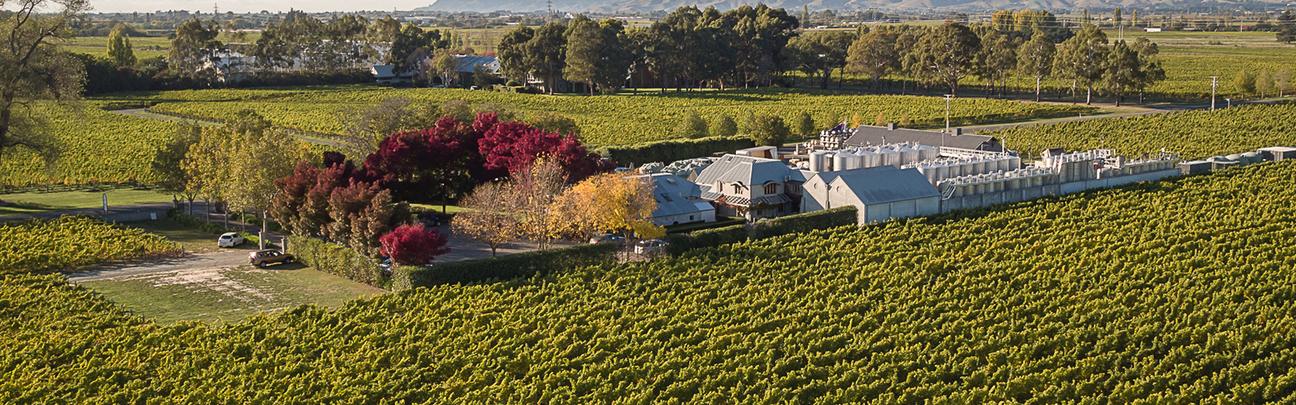
The Wairau Valley is shaped by old gravelly riverbeds, formed when the Wairau River once flowed through the valley floor. Today, the river runs along the northern side of the region.
The climate is defined by long sunshine hours and cool nights, which are ideal conditions for developing complex flavours while retaining natural acidity.
We grow most of our grapes across vineyards located within a 15 km radius of the winery. Despite their close proximity, each site produces fruit with its own distinct character, thanks to Marlborough’s diverse soil types and unique microclimates.

Established in 1985
Wallops Vineyard
Sauvignon Blanc: 7 ha
Chardonnay: 1 ha
Located just across from the winery, Wallops is our original homestead block, first planted by our parents when they were contract growers. Today, it provides a key component of our Sauvignon Blanc, along with a small site of Chardonnay.
The vineyard is a mix of older and newer vines, with soils ranging from moderately deep silts to stony, free-draining alluvial soils with naturally high fertility. As one of the earlier ripening sites in Marlborough, due to its slightly warmer conditions, Wallops consistently produces vibrant tropical and citrus-driven flavours.

Established in 1985
Millstone Vineyard
Sauvignon Blanc: 12 ha
Pinot Noir: 3 ha
Pinot Gris: 2.5 ha
Millstone Vineyard sits alongside Wallops and shares many of the same characteristics: moderately silty to stony alluvial soils, excellent drainage, and a warm, dry climate with high sunshine hours and low rainfall.
Located around 15 kilometres from the coast, the vineyard is less influenced by the cooling sea breezes. This results in warmer growing conditions, which are particularly well suited to Sauvignon Blanc. In addition to Sauvignon Blanc, Pinot Noir and Pinot Gris thrive here under these consistent, warm conditions.

Established in 1980
The Moorlands Vineyard
Sauvignon Blanc: 5.5 ha
Chardonnay: 2 ha
Pinot Noir: 2.5 ha
Pinot Gris: 2 ha
Riesling: 1 ha
Moorlands Vineyard is located alongside the winery and was originally established with Riesling vines in 1980. Now, it is home to a diverse mix of varieties, with a strong focus on Sauvignon Blanc. The vineyard combines both mature plantings and newer vines, including recently established Sauvignon Blanc blocks planted in early 2026.
Compared to Wallops and Millstone across the road, Moorlands features deeper silt soils with fewer stones. These conditions are particularly well suited to Pinot Noir and Chardonnay.
The slightly cooler microclimate here leads to a slower ripening period, resulting in Sauvignon Blanc with greater structure and depth.

Established in 2000
Omaka Vineyard
Sauvignon Blanc: 20 ha
Chardonnay: 4 ha
Pinot Gris: 3.5 ha
Located a little further from the winery, Omaka Vineyard is primarily planted in Sauvignon Blanc, alongside Chardonnay and Pinot Gris.
When acquired in 2000, the land was planted with apple trees. Prior to that, it was part of the original Omaka riverbed, making it one of the stoniest and most free-draining sites in our central Rapaura vineyards.
These conditions are ideal for Chardonnay, producing ripe, generous fruit with tropical notes, while the Sauvignon Blanc tends towards a bright citrus expression.

Established in 2023
Are Are Vineyard
Sauvignon Blanc: 70 ha
Crossing the Wairau River, we can find one of our most unique sites, Are Are Vineyard, discovered by Josh and Sara during a mountain bike ride. Due to the unique characteristics of the vineyards, it has quickly become a favourite among the winemaking team.
Historically, this site was part of an ancient lake, formed where the Pelorus River (that was combined with the Wairau River) once split with one branch flowing towards Havelock and the other towards the Wairau Valley.
As a result, the soils are made up of alluvial clay, with underlying layers of clay, silt, and gold-bearing schist. This rare combination creates a distinctive expression in the grapes, often showing tropical notes with a subtle saline character.
While the soils retain moisture well, water is less accessible to the vines. Combined with higher winter and spring rainfall and a slightly longer growing season, this site produces fruit with remarkable intensity.

Grower vineyard
Kekerengu Vineyard
Sauvignon Blanc: 7 ha
Located around 1 hour South along the coast, Kekerengu is a grower vineyard from which we source Sauvignon Blanc.
Set just 20 metres above sea level and only 100 metres from the ocean, the site is strongly influenced by its coastal environment. The soil has an influence of the limestone that the Kekerengu region is known for. This keeps the vine vigour under control. The crops are naturally low and have a concentrated flavour and structure.
The vineyard is subjected to a moderate sea breeze, which extends the growing season by slowing the accumulation of sugar and flavour. The result is Sauvignon Blanc with distinctive herbal notes and a subtle saline edge. It is a true reflection of its coastal origin.

Grower vineyard
In the Wairau Valley
Coastal Vineyards in the Wairau Valley
Towards the eastern end of the valley, closer to the ocean, soils are typically made up of very free-draining pea-gravels.
The vineyards here seem to be located on the perfect sweet spot for Sauvignon Blanc growing. The cool sea breezes meet warmer inland air, creating a moderate and stable climate. These conditions support early ripening and produce Sauvignon Blanc with vibrant tropical flavours.
Further south, near the Ōpaoa River, the land was historically swamp. Here, soils are deep and silty, with high water-holding capacity and good drainage. Vines can easily access groundwater. This subregion is known for fruits with a bold, expressive tropical character.
Southern Valleys in the Wairau Valley
From the vineyard moving towards the southern end of the valley towards the Wither Hills, the vineyards are more exposed to cool southerly winds. This typically leads to slower ripening and lower cropping.
These sites are particularly well suited to Pinot Noir, along with Sauvignon Blanc and Pinot Gris.
Soils in this area contain finer clays that retain moisture more tightly. This is the result of ancient glacial activity, where windblown dust settled over time. Because these vineyards sit at slightly higher elevations and the river has not flooded through them, these soil characteristics remain clearly visible today.


